
Essays & Media
A collection of essays, podcasts, and other media.
Media
Book Conversation on Populism and the People with SITE Zones
David Payne and I chat with Sven-Olov Wallenstein about our anthology, Populism and the People in Contemporary Critical Thought, co-edited with Gustav Strandberg.
Humboldt Residency Podcast: Episode I
In the first episode of the podcast series created by participants in the Humboldt Residency Programme, I discussed the history of nationalism and right-wing populism with Richard Mole and Ronen Steinke.
Humboldt Residency Programme: What Holds the World Together?
Short report on the Humboldt Residency Programme and work on the concept of “social cohesion”.
Humboldt Residency Podcast: Episode II
In the second episode of the podcast series, I discuss left-wing populism and its relationship to multiculturalism with Cristóbal Rovira Kaltwasser, Christa Rautenbach and Julia Elad-Strenger.
Essays
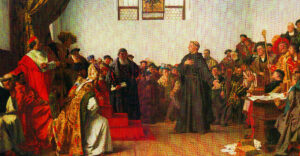
What Ukraine Teaches Us about War and Diplomacy
Towards the end of his Philosophy of Right, Hegel developed the idea of ‘the necessity of war’ as the ever-present threat against the modern nation state. What this claim entails is neither simply a pure realist description of functions nor an idealist normative injunction, but an ontological postulate regarding the constitution of the state as such.

Preliminary Reflections on ’Social Cohesion’ (Part I)
As a scholar of rhetoric, my first impulse when confronted with an unfamiliar concept is usually to try to understand what French philosopher, rhetoric scholar, and philologist Barbara Cassin would call its world-effect: what image of the world is constructed within the confines of this specific concept. As the concept of ‘social cohesion’ is entirely new to me, this is thus what I will now attempt to do.
When trying to understand the landscape opened up by a concept, a potentially fruitful approach is to try to understand its etymology.

Preliminary Reflections on ’Social Cohesion’ (Part II)
As a scholar of rhetoric, my first impulse when confronted with an unfamiliar concept is usually to try to understand what French philosopher, rhetoric scholar, and philologist Barbara Cassin would call its world-effect: what image of the world is constructed within the confines of this specific concept. As the concept of ‘social cohesion’ is entirely new to me, this is thus what I will now attempt to do.
Back in 2012, the OECD’s Development Centre focused its annual report on the topic of ‘Social Cohesion’. More specifically, the center had identified what they saw as a problematic development in so-called “rapidly growing countries” where social cohesion was threatened by fast paced “economic and social transformation”.

Preliminary Reflections on ’Social Cohesion’ (Part III)
As a scholar of rhetoric, my first impulse when confronted with an unfamiliar concept is usually to try to understand what French philosopher, rhetoric scholar, and philologist Barbara Cassin would call its world-effect: what image of the world is constructed within the confines of this specific concept. As the concept of ‘social cohesion’ is entirely new to me, this is thus what I will now attempt to do. More specifically, in this text I want to understand what makes it possible to even ask such a question, the question of the cohesion of a people. To answer this, I believe we have to start with a simple, yet extremely difficult, question, namely: What makes a people?
The problem to which a notion like social cohesion refers, is the supposed contemporary division in the people, as if the people today was particularly wrought with internal strife, as if our current sufferings stem from a lack of social cohesion.
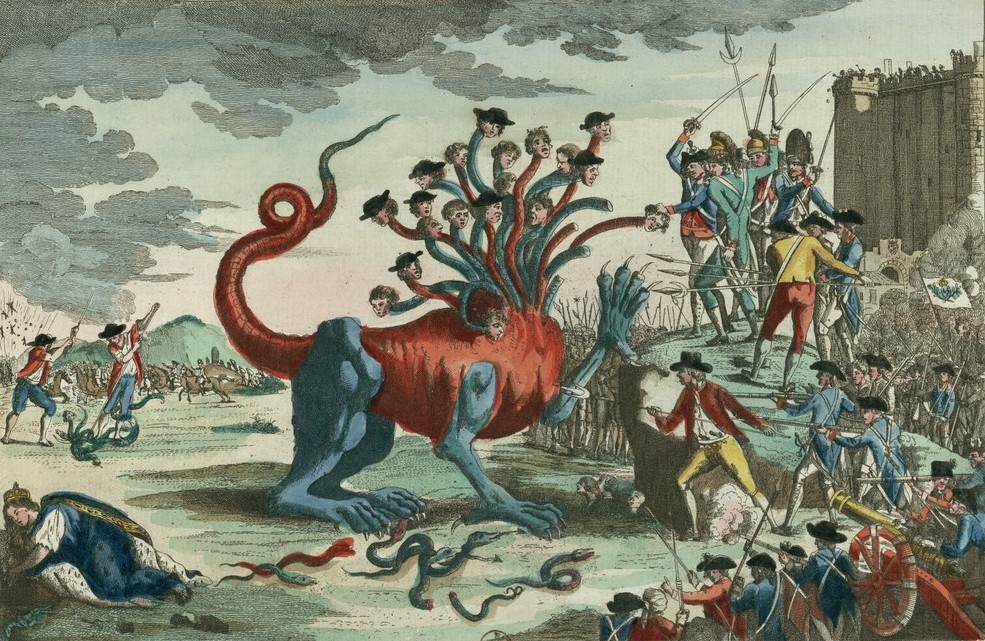
The Birth of a Dying System
As Putin announced his “special military operation” in Ukraine on February 24, 2022, a forgotten figure in International Relations thought found himself thrust back into the limelight. John J Mearsheimer, one of the leading figures of twentieth-century realist thought, had spent the last thirty years in the shadow of an IR field dominated by the optimism of liberal internationalism.
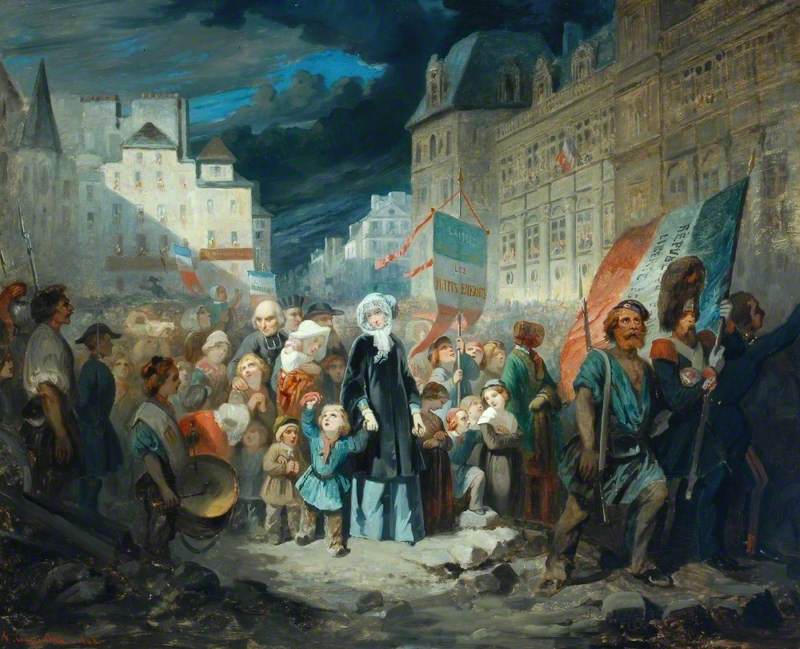
Theses on the Category of the People
David Payne, Gustav Strandberg & Alexander Stagnell
The ‘people’ as a collective political figure and ‘critique’ as a task for thought are commonly understood to be at cross purposes. It is possible to index how historically the people constitutes a limit category for critical thought. At the same time that the people is one of the unthoughts of the history of critical thought, critique is often understood as an act, a mode of thinking, that cannot be collectively exercised by a people; the people are thoughtless, without reason, unreasonable.