
Research theme
Diplomacy
The utopia of peace through negotiation. The ambassador as a type and diplomacy as a practice of representation, from the envoys of antiquity to today’s diplomats.
The word diplomacy was coined only shortly before the French Revolution. Yet diplomacy is often assumed to be as old as humanity itself, rooted in the Greek díplōma and in a mythical story of how humans, in the tribal life of their childhood, chose to negotiate rather than kill each other.
I read diplomacy through the concepts of rhetoric and psychoanalysis, as a practice that carries the fantasy of perpetual peace while also being one of the ideological apparatuses of the modern state.
Three strands
The ambassador as a type
In 427 BCE, Gorgias travels to Athens as an envoy and wins twenty warships with his eloquence. Eighty years later, Demosthenes accuses his fellow ambassador Aeschines of betraying Athens in the peace negotiations with Philip II. Already in antiquity, the ambassador is both the peacemaker and the suspected word-twister, what Rousseau called the “sophists of the court”. But the typical diplomat has no continuous history. The figure changes with the logic of sovereignty and each time answers a new historical problem.
The problem of representation
Rhetoric and diplomacy share a problem: never being able to fully represent anything. Kant’s perpetual peace and Perelman’s universal audience correspond to what Hegel would call a bad infinity, an endless approximation of an ideal state that never reaches its goal. Through Lacan’s image of the diplomat as representative, I look for a way out of the endless dialectic between the attempt and its failure.
The necessity of war
When the EU received the Nobel Peace Prize in 2012, it was possible to read it as if Kant’s dream of perpetual peace had finally come true, at least in Europe. Since then, tensions on the continent have only grown. With Hegel’s idea of the necessity of war, and Derrida’s critique of both Kant and Hegel, I examine why war and diplomacy are not opposites but two steps in the same movement.
Publications
2025. Ambassadören: Opålitlig sofist eller fredsbevarande förhandlare? (in Swedish). Chapter in Retoriska typer.
2020. Diplomacy and Ideology: From the French Revolution to the Digital Age. Monograph, Routledge.
2020. Hovets sofister: Diplomati, retorik och representationens problem (in Swedish). Rhetorica Scandinavica.
2020. An Alliance of War and Peace: Europe and the Necessity of Diplomacy. Crisis & Critique.
2019. The Ambassador’s Letter: On the Less Than Nothing of Diplomacy. Doctoral thesis, Uppsala University.
Writing
What Ukraine Teaches Us About War and Diplomacy. Essay.
Den multipolära världens återkomst. Essay in Swedish, on Ukraine and the fantasies of classical realism.
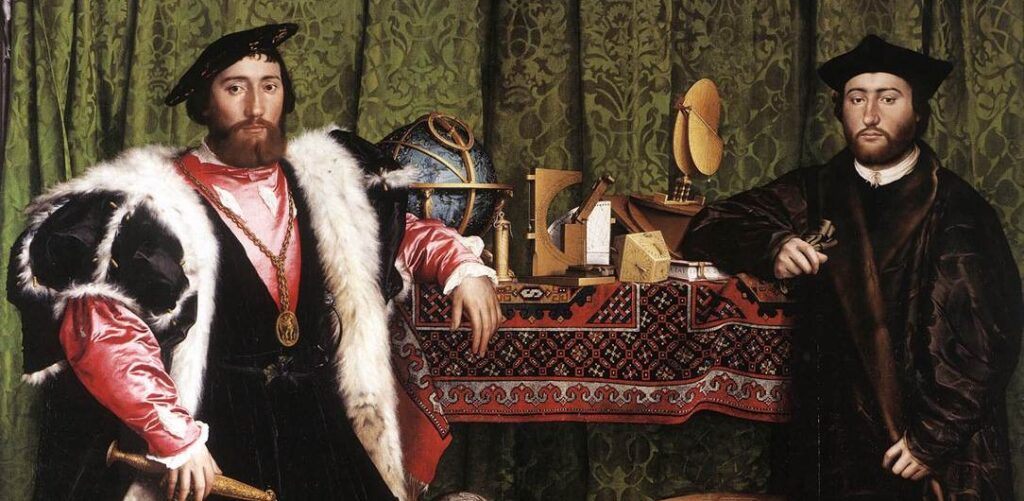
Lecture: The rhetoric of diplomacy. From ancient envoys to today’s state visits, and why diplomacy doesn’t work … until it does.