
Rhetoric A–Z
What rhetoric is, where its concepts come from, and how they still shape the way we speak and listen. Short introductions written by a professor of rhetoric, for anyone who wants to understand it properly.
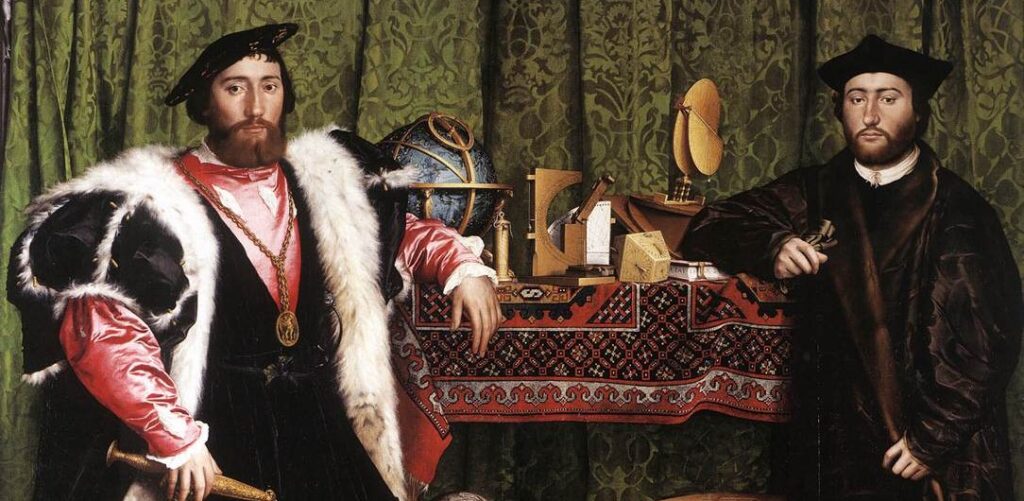
Hans Holbein the Younger, The Ambassadors, 1533. National Gallery, London.
Start here
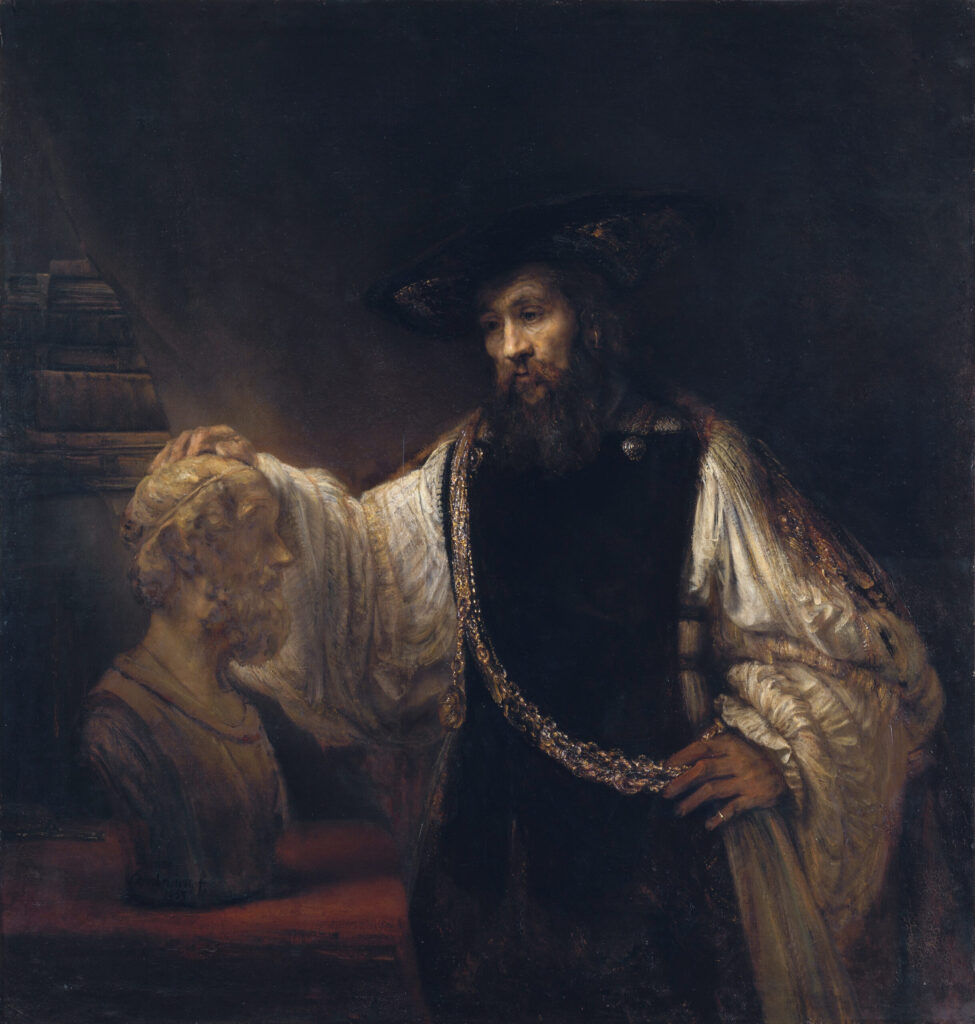
What is rhetoric?
The origins of the word, Aristotle’s definition, and why rhetoric is more than the art of persuasion.
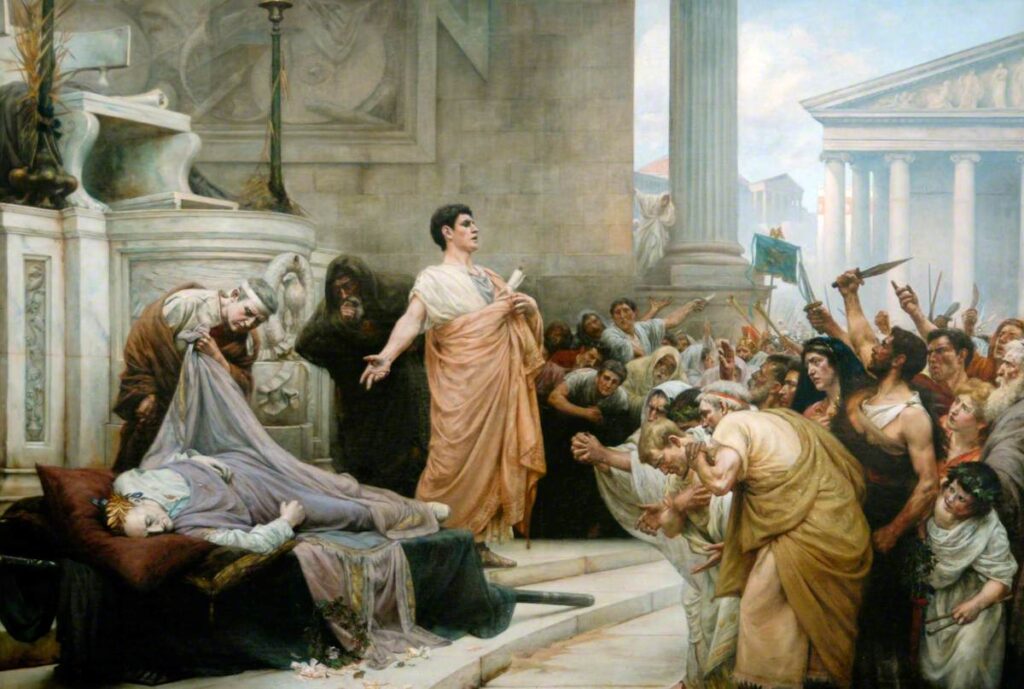
Ethos, pathos and logos
The three modes of persuasion: where they came from, how the Romans changed them, and how they are used today.
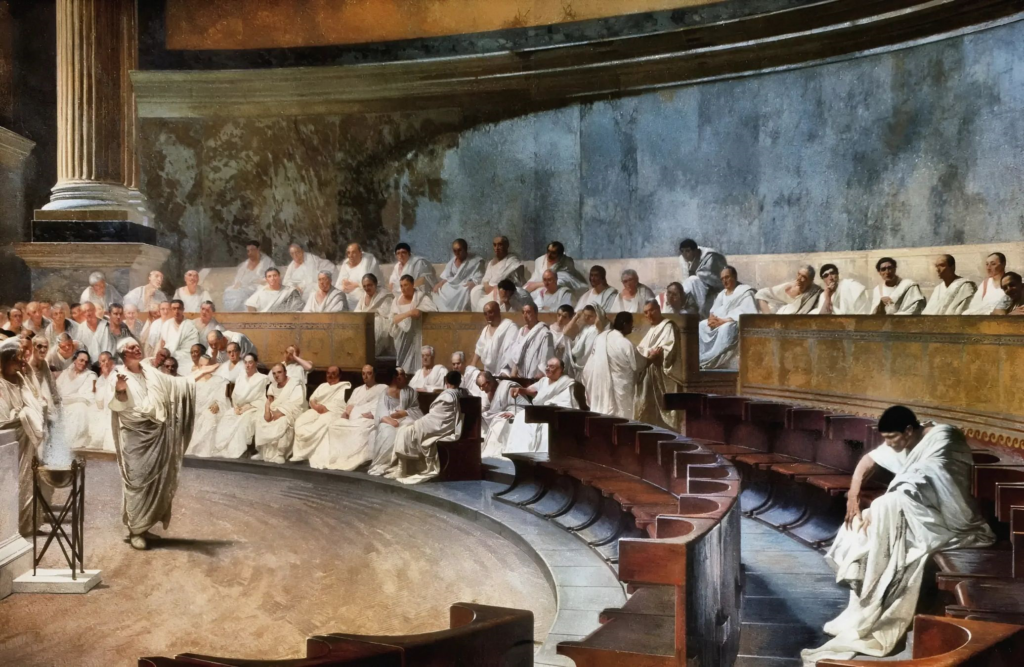
What are rhetorical analysis and rhetorical criticism?
How to study the way a message is built, step by step, and how it becomes possible in its context.
µ
Concepts
Ethos ἦθος
Persuasion through the speaker’s character as it appears in the speech.
Pathos πάθος
Persuasion through the emotions the speech arouses or calms in its audience.
Logos λόγος
Persuasion through the speech itself: its words, tropes and arguments.
Kairos καιρός
The opportune moment: what can be said, fittingly, now.
Doxa δόξα
Opinion and common belief, the shared ground from which argument starts.
Topos τόπος
A “place” where arguments are found: a common line of reasoning.
Enthymeme ἐνθύμημα
A rhetorical deduction resting on probable rather than necessary premises.
Example παράδειγμα
Argument by a real or invented case, the other proof Aristotle names.
Parrhesia παρρησία
Frank speech: saying what one holds true, at a risk to oneself.
Catachresis κατάχρησις
The “misuse” of a word to name what has no proper name.
Irony εἰρωνεία
Saying one thing so that another is understood.
Sophistics σοφιστική
The art of the sophists, rhetoric’s rival and double since Plato.
Read further
Where to begin with the classical sources, and where rhetoric meets philosophy.
Aristotle, Rhetoric
Plato, Gorgias and Phaedrus
Barbara Cassin, Sophistical Practice